
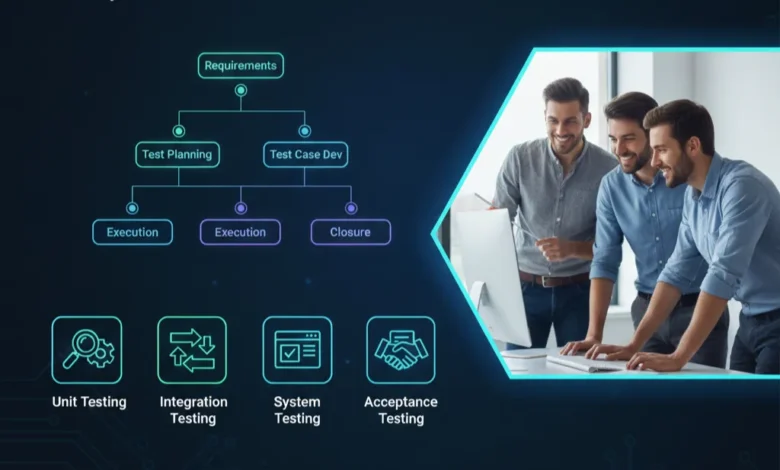
Software testing basics are the foundation of building reliable and high-quality software. If you are new to the IT field or planning to start a career in QA, understanding software testing basics for beginners is the first step.
In this guide, I will explain everything in simple English. You will learn what testing means, why it is important, types of testing, embedded testing basics, and where to find pdf, ppt, videos, and training resources.
Table of contents
- What Is Software Testing?
- Why Software Testing Is Important
- Software Testing Life Cycle (STLC)
- Types of Software Testing
- Black Box vs White Box Testing
- Software Testing Basics for Beginners
- Embedded Software Testing Basics
- Software Testing Tutorial Structure
- Software Testing Basics PDF and PPT Resources
- Software Testing Basics Videos
- Best Training for Software Testing Basics
- Test Case Writing Example
- Bug Life Cycle
- Manual vs Automation Career Path
- Tools Used in Software Testing
- Common Mistakes Beginners Make
- How to Start Learning Software Testing
- Career Opportunities After Learning Software Testing Basics
- Conclusion
- FAQs
What Is Software Testing?
Software testing is the process of checking whether a software application works correctly. The goal is to find bugs, errors, or missing requirements before the product reaches users.
In simple words, testing makes sure the software does what it is supposed to do.
Without proper testing, software may crash, show wrong data, or create security risks.
Why Software Testing Is Important
Testing improves:
- Quality
- Performance
- Security
- User experience
It also reduces business losses caused by software failure.
Companies invest heavily in software testing basics training because one small defect can cost millions.
Software Testing Life Cycle (STLC)
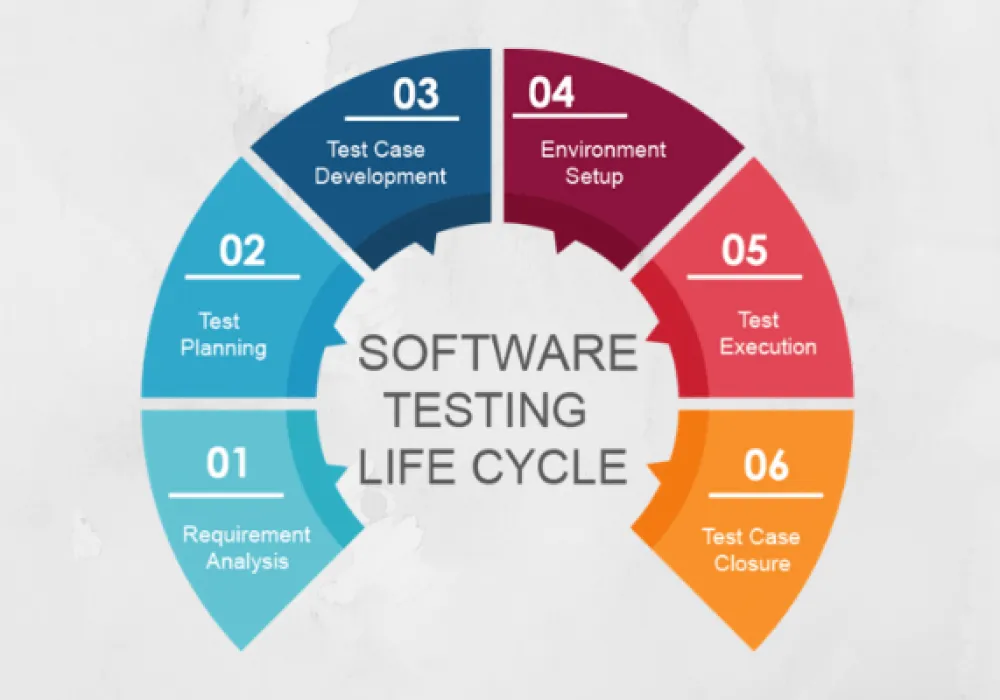

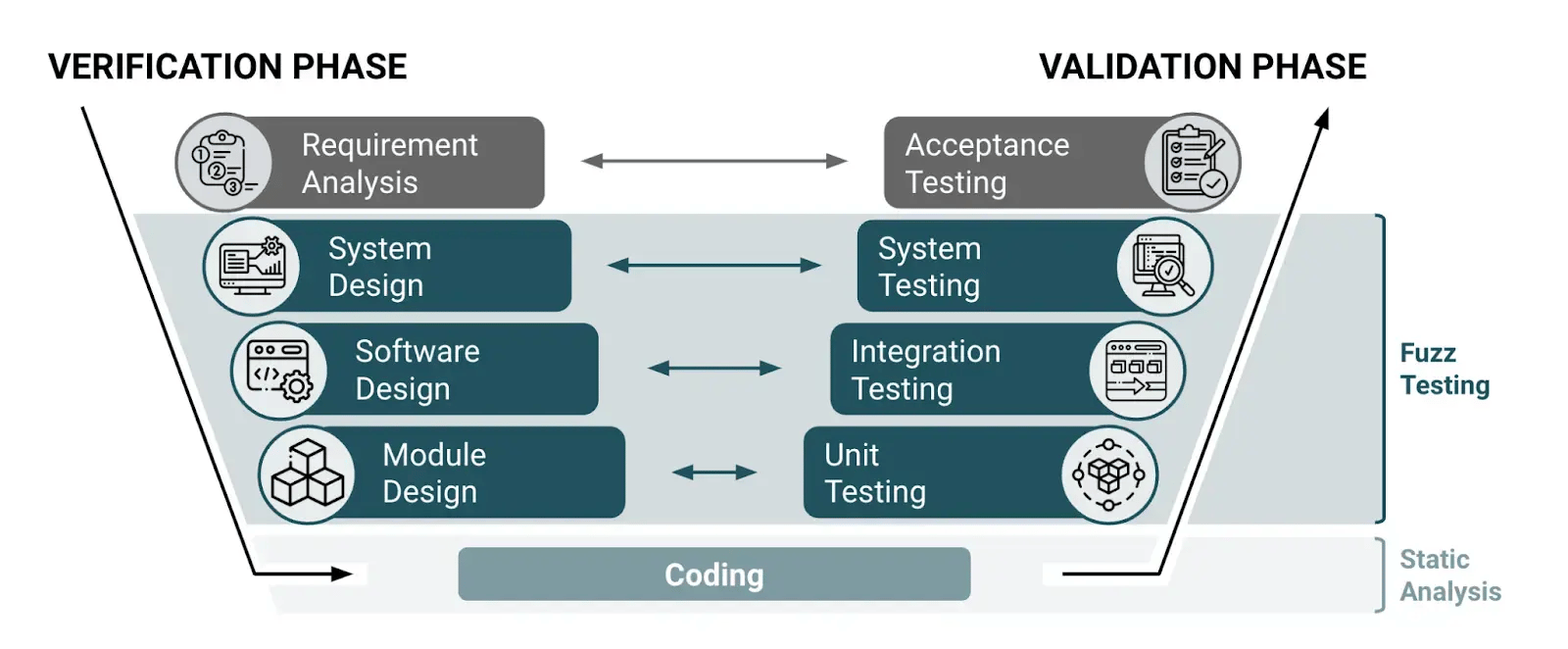
The Software Testing Life Cycle includes these main stages:
Requirement analysis
Test planning
Test case development
Test execution
Defect reporting
Test closure
Understanding this flow is essential in any tutorial.
Types of Software Testing
Manual Testing
Manual testing means checking software manually without automation tools. Testers create test cases and execute them step by step.
Most software testing basics for beginners start with manual testing.
Automation Testing
Automation testing uses tools like Selenium to run test scripts automatically. It saves time and improves accuracy.
Functional Testing
Checks whether features work according to requirements.
Non-Functional Testing
Tests performance, security, usability, and load.
Black Box vs White Box Testing

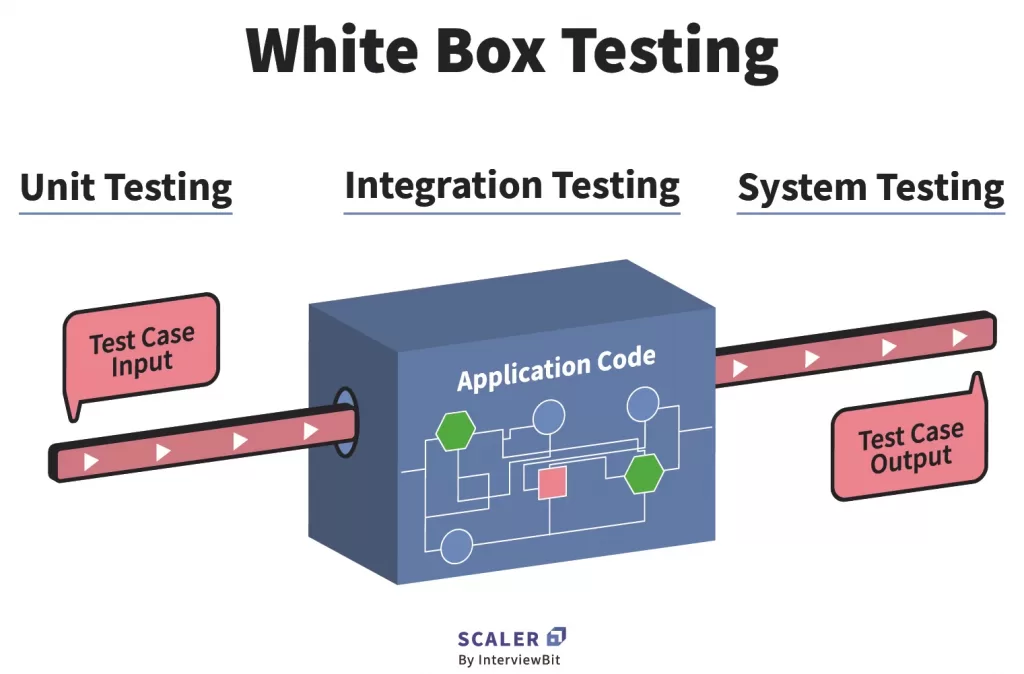
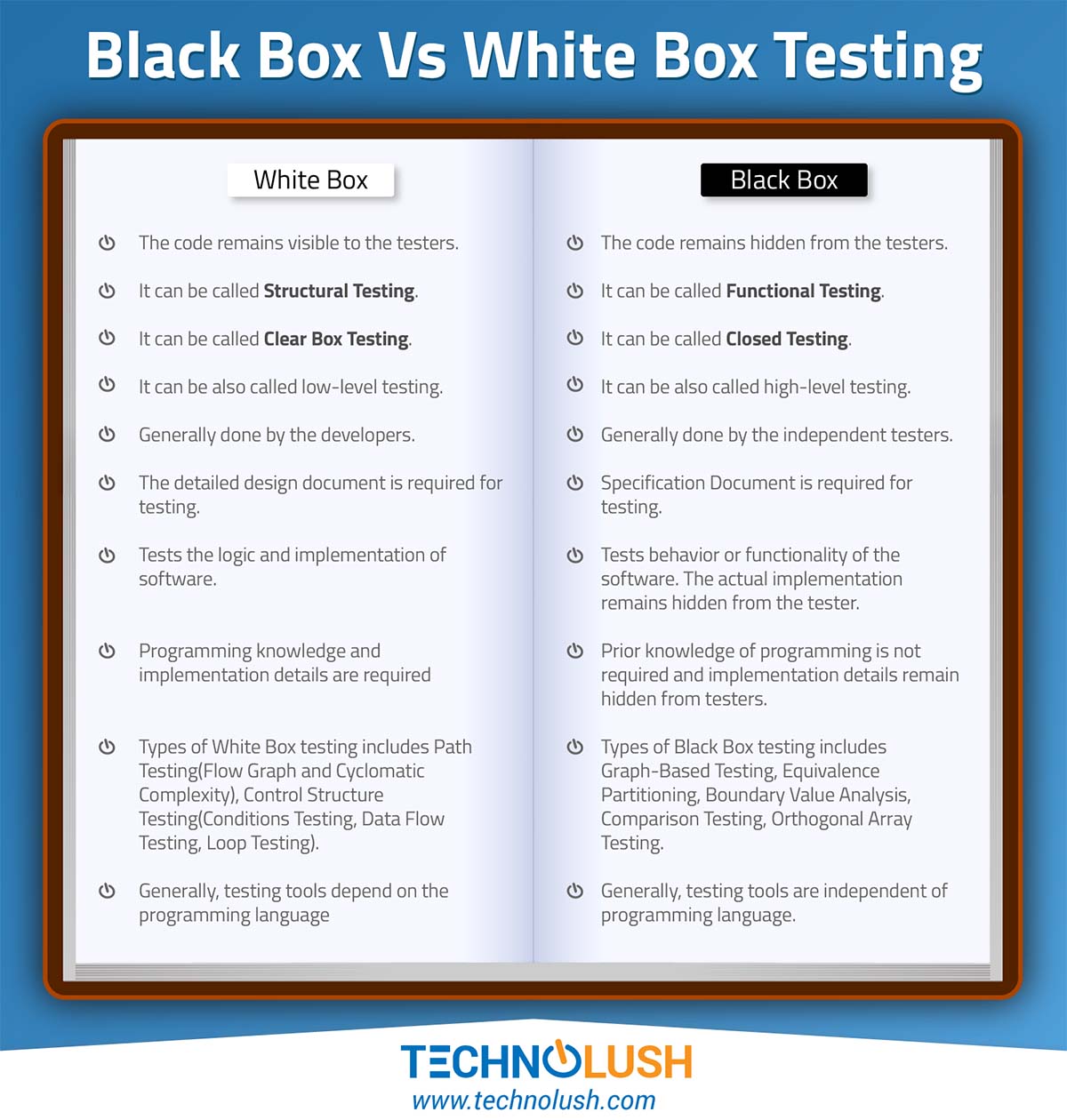

Black Box Testing
Tester does not see internal code. Focus is on inputs and outputs.
White Box Testing
Tester understands internal code structure.
Both are core concepts in software testing basics.
Software Testing Basics for Beginners
If you are starting fresh, focus on:
Understanding SDLC
Learning test case writing
Practicing bug reporting
Studying different testing types
Learning basic SQL
Beginners should not jump directly into automation. Build strong fundamentals first.
Many learners search for beginners pdf to study offline. PDF resources are useful, but understanding concepts is more important than memorizing notes.
Embedded Software Testing Basics
The Embedded testing is different from normal web or mobile testing.

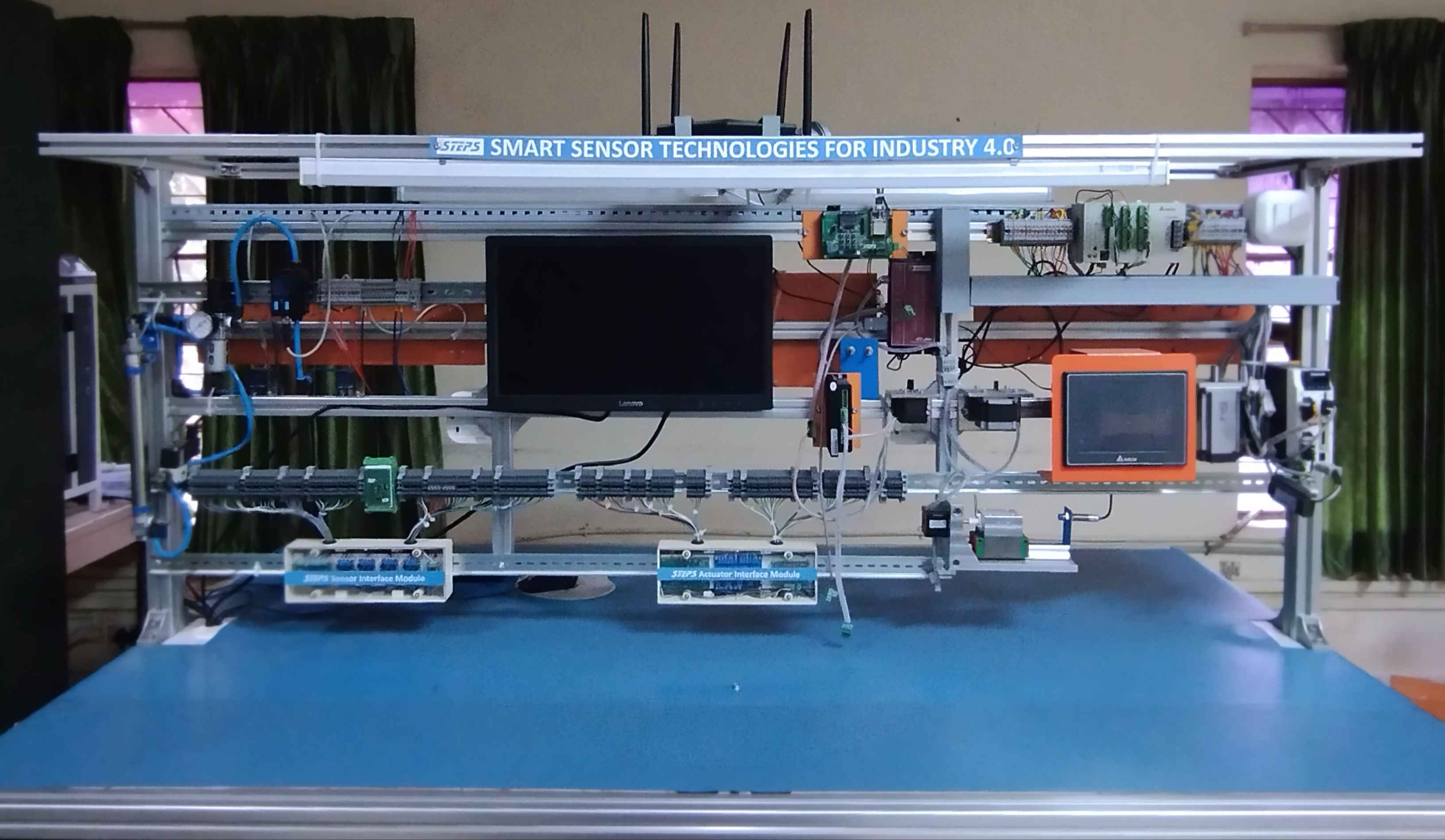

Embedded systems are used in:
Automobiles
Medical devices
Home appliances
Industrial machines
Embedded software testing basics include:
Hardware and software integration testing
Real-time system validation
Memory and performance testing
Signal and sensor validation
Embedded testing requires knowledge of hardware along with software.
Software Testing Tutorial Structure
A good software testing basics tutorial should include:
Introduction to testing
SDLC and STLC
Types of testing
Test case writing
Bug lifecycle
Agile testing basics
You can learn from structured courses instead of random YouTube videos.
Software Testing Basics PDF and PPT Resources
Many students search for:
software testing basics pdf
software testing basics for beginners pdf
software testing basics ppt
PDF files are useful for revision. PPT presentations help in classroom learning.
But always verify the source quality. Updated material is important because tools and practices change.
You can find structured notes on learning platforms and technical sites like GeeksforGeeks. However, do not depend on only one source.
Software Testing Basics Videos
Videos help beginners understand concepts visually.
When choosing software testing basics videos:
Look for structured playlists
Avoid outdated tutorials
Prefer instructors who explain real examples
Videos should complement practice, not replace it.
Best Training for Software Testing Basics
Choosing the best training depends on your goal.
If you want a job in manual testing:
Choose beginner QA training programs.
Want automation?
Look for Selenium or Cypress-based programs.
If you want embedded testing:
Choose specialized embedded QA courses.
Good training should include:
Live projects
Mock interviews
Real bug tracking tools
Hands-on assignments
Certification alone is not enough. Practical experience matters more.
Test Case Writing Example
A simple example:
Test Case: Login Function
Input: Valid username and password
Expected Result: User should log in successfully
Clear and detailed test cases are important in real projects.
Bug Life Cycle
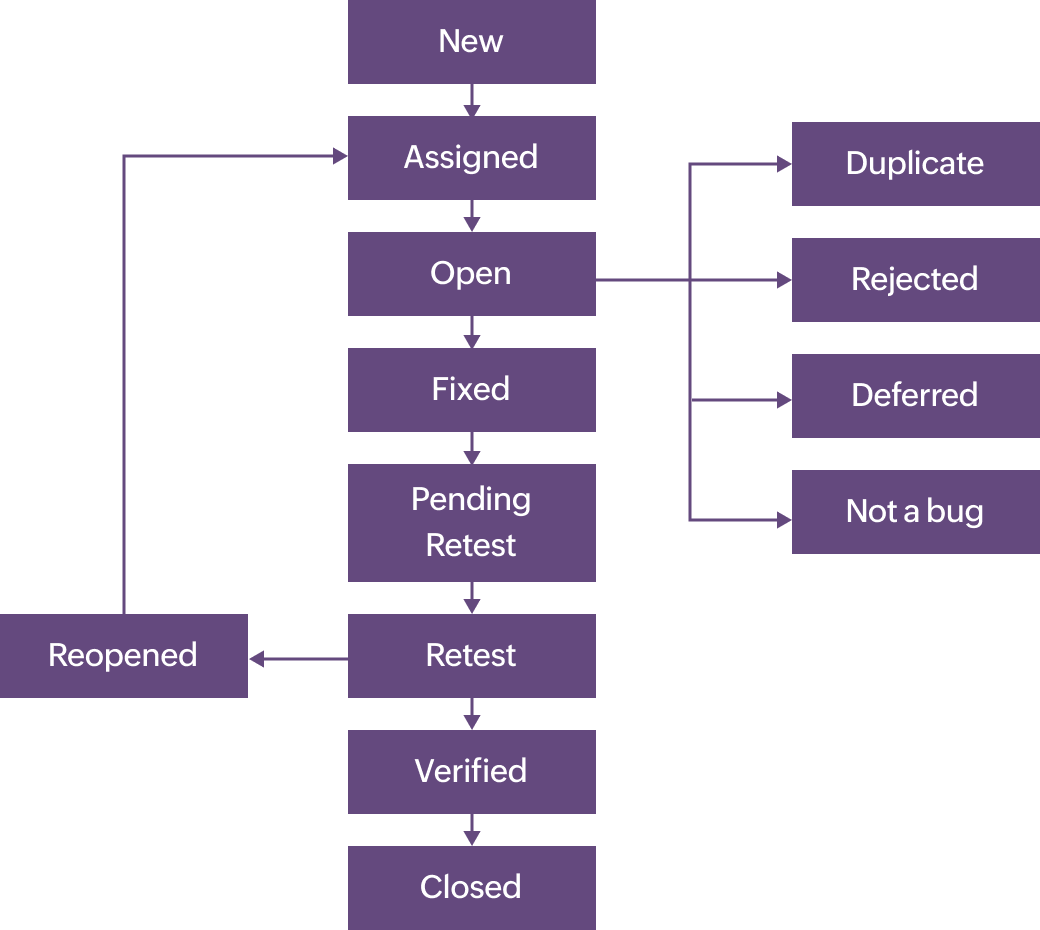
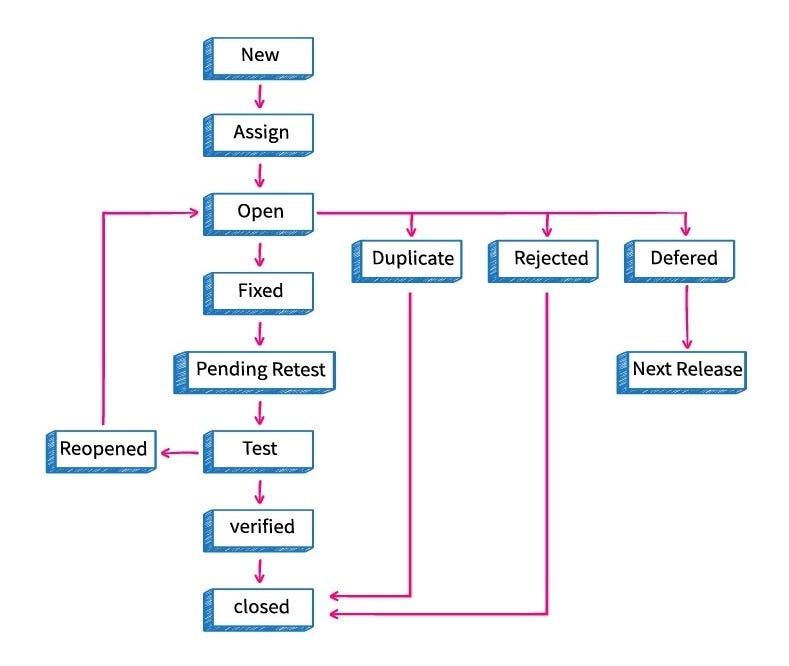

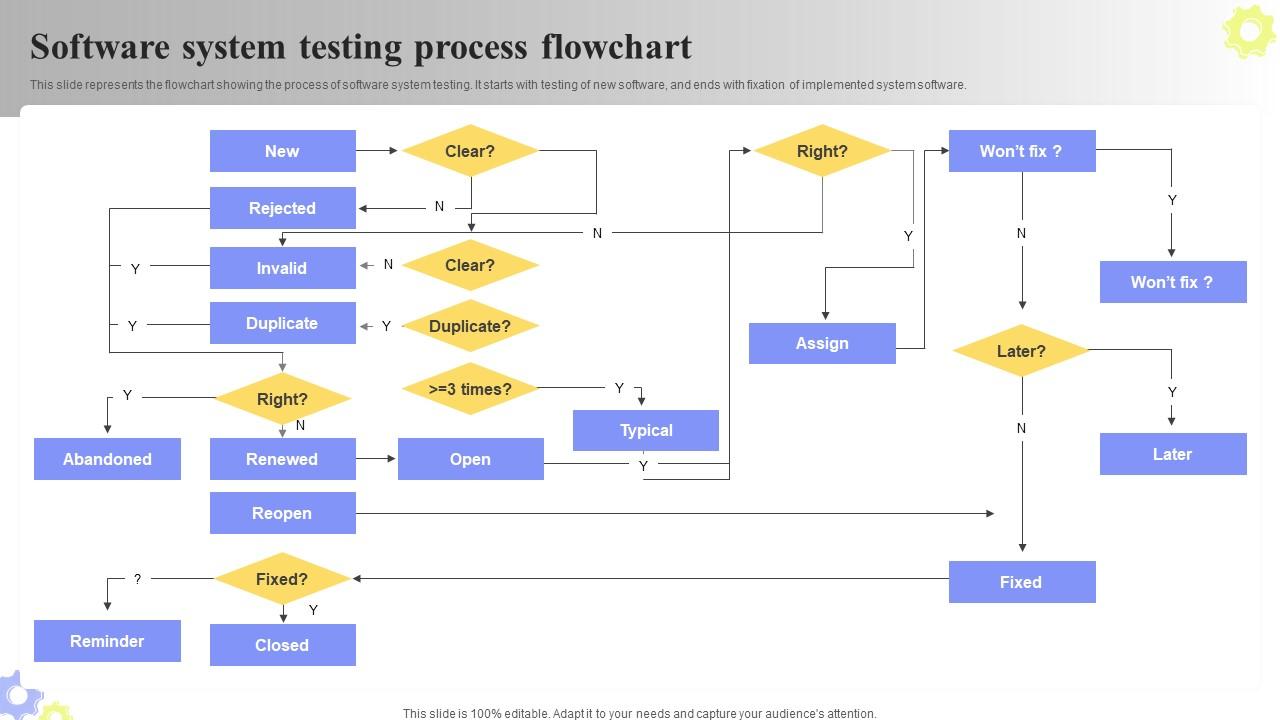
When a bug is found, it goes through stages:
New
Assigned
Open
Fixed
Retested
Closed
Understanding defect lifecycle is essential in software testing basics.
Manual vs Automation Career Path
Manual testing is easier to start.
Automation testing offers higher salary growth.
Many professionals begin with manual testing and then move to automation.
Tools Used in Software Testing
Popular tools include:
JIRA for bug tracking
Selenium for automation
Postman for API testing
LoadRunner for performance testing
Tool knowledge strengthens your profile.
Common Mistakes Beginners Make
Memorizing theory without practice
Ignoring SDLC concepts
Focusing only on tools
Not improving communication skills
Testing requires analytical thinking.
How to Start Learning Software Testing
Start with fundamentals.
Practice writing test cases.
Test demo websites.
Join online communities.
Build small projects.
Consistency matters more than speed.
Career Opportunities After Learning Software Testing Basics
After mastering software testing basics, you can apply for:
QA Tester
Manual Tester
Automation Engineer
Test Analyst
Embedded QA Engineer
Experience and specialization increase salary potential.
Also Read: Free Payroll Software: Best Options for Small Businesses
Software Testing in Agile and DevOps Environments
In today’s software industry, most companies do not follow the traditional waterfall model anymore. Instead, they use Agile and DevOps practices. That is why understanding how software testing basics fit into Agile and DevOps environments is very important for beginners. In Agile development, testing is not done only at the end of the project. It happens continuously in short development cycles called sprints. Testers work closely with developers, product owners, and designers. They review requirements, create test cases early, and test features as soon as they are developed. This approach helps teams find defects faster and deliver better quality software.
In DevOps, testing becomes even more integrated with development. Automated tests are connected to continuous integration and continuous deployment pipelines. This means that whenever a developer pushes new code, automated tests run immediately to check for errors. If the tests fail, the issue is fixed before the software is released.
This process improves speed and reliability. For beginners learning software testing basics, it is important to understand concepts like continuous testing, automation fundamentals, and basic CI/CD workflows. Companies expect testers to adapt to fast-paced environments, so learning how testing works in Agile and DevOps makes you more competitive in the job market.
Real-World Software Testing Projects for Practice
Learning theory is important, but practical experience is what truly builds confidence in software testing basics. Beginners should not rely only on reading software testing basics pdf files or watching tutorial videos. Real understanding comes from practicing on real or demo applications. For example, you can test a simple login page by checking valid and invalid inputs. You can test an online shopping website by verifying product search, cart functionality, and payment flow. You can also practice writing test cases and reporting bugs clearly and professionally.
Working on real-world practice projects helps you improve requirement analysis skills and teaches you how users actually interact with applications. It also improves your ability to think about edge cases and unusual scenarios. If you are interested in embedded software testing basics, you can study simple embedded system examples such as temperature monitoring devices or smart home controls.
Understanding how software communicates with hardware will strengthen your technical foundation. Building a small portfolio of sample test cases and defect reports can also help during interviews. Employers prefer candidates who show practical knowledge rather than only theoretical understanding. Consistent hands-on practice is the key to becoming confident and job-ready in the software testing field.
Conclusion
Learning software testing basics is the first step toward a stable and growing IT career. Whether you are searching for software testing basics tutorial, pdf resources, ppt slides, videos, or embedded concepts, focus on understanding the core principles first.
Strong fundamentals will help you move into automation, performance testing, or even embedded QA roles later.
FAQs
What are software testing basics?
Software testing basics include fundamental concepts like testing types, SDLC, STLC, test cases, defect lifecycle, and manual vs automation testing.
Is software testing easy for beginners?
Yes, software testing basics for beginners are easier compared to development. However, strong logical thinking is required.
Where can I find software testing basics pdf?
You can find PDF resources on technical education websites and training platforms. Always check if the material is updated.
What is embedded software testing basics?
It focuses on testing embedded systems that combine hardware and software, such as automotive or medical devices.
What is the best training for software testing basics?
The best training includes practical projects, live assignments, tool exposure, and interview preparation support.