
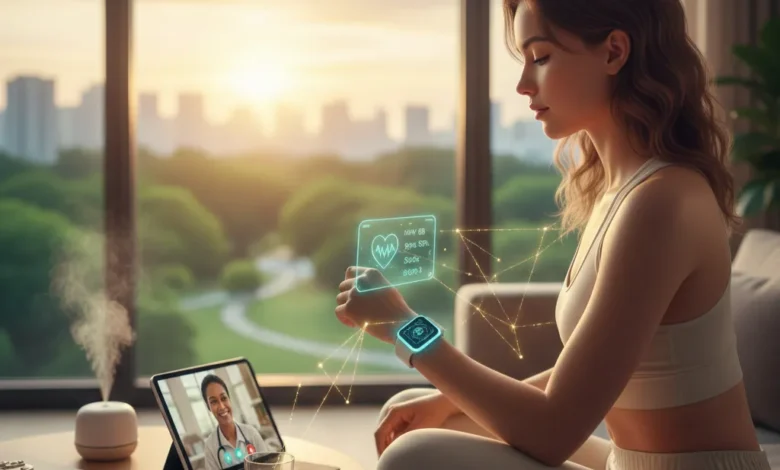
Ten years ago, tracking your health meant guesswork. You waited for your annual doctor visit to find out if anything was wrong. You had no way to measure sleep quality, stress levels, or heart rhythm from home.
Today, that has completely changed. How has the development of technology positively affected our wellness? In nearly every way imaginable. People now detect health problems earlier, access doctors from home, manage mental health daily, and make smarter decisions about food, sleep, and exercise.
This guide covers every major way technology improves wellness in 2025 from wearables and telemedicine to mental health apps and AI diagnostics. It also looks at the challenges and how to manage them responsibly.
| 📌 Quick Summary: How has the development of technology positively affected our wellness? By making healthcare more accessible, fitness more personalised, mental health support more available, and disease prevention more accurate. The result is a population that is more informed, more connected to care, and better equipped to stay healthy every day. |
Table of contents
- Telemedicine: Bringing Healthcare Directly to You
- Wearable Technology: Real-Time Health Monitoring on Your Wrist
- Mental Health Apps: Support Available Any Hour of the Day
- Fitness Technology: Making Exercise Smarter and More Consistent
- Nutrition Technology: Making Healthy Eating Easier to Understand
- Sleep Technology: Turning a Mystery Into Measurable Science
- AI in Healthcare: Earlier Detection, Smarter Diagnosis
- Chronic Disease Management: Technology Gives Patients Control
- Social Connection Technology: Combating Loneliness and Isolation
- Prevention Technology: Stopping Problems Before They Start
- Technology vs Traditional Wellness Approaches: A Direct Comparison
- The Challenges: Where Technology and Wellness Create Tension
- Conclusion
- FAQs
Telemedicine: Bringing Healthcare Directly to You
Telemedicine lets people speak to a doctor through a phone or computer screen. No waiting rooms, no travel, no time off work. A patient in a rural area gets the same specialist access as someone in a major city.
The growth numbers back this up. During 2020, telehealth usage in the US increased by over 3,800% compared to the previous year, according to McKinsey & Company. That growth did not reverse. Patients discovered that video consultations work just as well for most non-emergency needs.
Telemedicine also improves outcomes for people who previously avoided care due to cost or distance. Early consultations catch problems sooner. Patients follow up more consistently when appointments take five minutes to book from a smartphone.
Platforms like Teladoc, MDLive, and the NHS online service now handle millions of consultations each month. Specialist areas including dermatology, mental health, and chronic disease management have moved online successfully. This is one of the clearest answers to how has the development of technology positively affected our wellness it brings care to people who previously went without it.
Wearable Technology: Real-Time Health Monitoring on Your Wrist
Wearable devices changed what personal health monitoring looks like. A smartwatch or fitness tracker now collects data that used to require a clinical setting heart rate, blood oxygen levels, sleep stages, stress indicators, and irregular cardiac rhythms.
The Apple Watch’s ECG feature has detected atrial fibrillation in thousands of wearers who had no prior symptoms. The Oura Ring tracks body temperature changes that can signal illness before the user feels sick. These tools give people information they can act on before a condition worsens.
IDC reports that over 500 million wearable devices now ship globally each year. The market keeps growing because the data is genuinely useful. People sleep better when they understand what is disrupting their rest. They exercise more consistently when they see progress tracked in real time.
| Wearable Device | Key Wellness Features | Best For |
| Apple Watch Series 9 | ECG, blood oxygen, crash detection, cycle tracking | All-round health monitoring |
| Oura Ring Gen 3 | Sleep staging, HRV, body temp, readiness score | Sleep and recovery tracking |
| Fitbit Sense 2 | Stress management, EDA scan, SpO2, skin temp | Stress and daily activity |
| Garmin Fenix 7 | VO2 max, altitude, pulse ox, advanced training load | Athletes and outdoor fitness |
| Whoop 4.0 | Strain, recovery, sleep coaching, continuous HRV | Performance and recovery |
| Samsung Galaxy Watch 6 | Body composition, sleep apnea detection, BP monitoring | Comprehensive health tracking |
The key shift is that wearables move health monitoring from reactive to proactive. People no longer find out about a problem at the doctor’s office. When you ask how has the development of technology positively affected our wellness, wearable health monitoring is one of the most direct answers it puts clinical-grade data in everyone’s hands, 24 hours a day.
Mental Health Apps: Support Available Any Hour of the Day
Mental health care has historically been difficult to access. Long waiting lists, high costs, and the stigma of seeking help kept many people from getting support. Technology has changed all three of those barriers significantly.
Apps like Headspace, Calm, and Woebot give users evidence-based tools for managing anxiety, stress, and low mood available at 3am, completely private, and at a fraction of the cost of traditional therapy. Cognitive behavioural therapy techniques that once required a trained therapist now run through guided programmes that users complete on their phones.
Platforms like BetterHelp and Talkspace connect users with licensed therapists through text, audio, and video. The WHO estimates that 75% of people with mental health conditions in low and middle-income countries receive no treatment at all. Digital platforms reduce that gap by removing geography and cost as barriers.
A 2023 study published in JMIR Mental Health found that users of digital mental health tools reported significant reductions in anxiety and depression symptoms after four to six weeks of consistent use. This is one of the most personal examples of how has the development of technology positively affected our wellness by making mental health care part of everyday life rather than a crisis response.
Fitness Technology: Making Exercise Smarter and More Consistent
Technology turned exercise from a routine into a data-driven practice. People now understand which workouts improve their fitness, which overload their body, and which time of day their performance peaks. That knowledge makes training more effective and sustainable.
Platforms like Peloton, Apple Fitness+, and Nike Training Club bring professional coaching directly into people’s homes. Free YouTube channels deliver full workout programmes with no gym membership required. These platforms removed the biggest barrier to consistent exercise inconvenience.
AI-powered fitness apps go further. They analyse your performance data, adjust your training plan based on recovery metrics from your wearable, and send reminders timed to when you are most likely to be available. The result is that people who previously struggled with consistency now build genuine exercise habits.
Standing desk reminders, activity rings, hourly movement prompts technology also addresses the problem of sedentary desk work. People sit for an average of 9 to 10 hours per day. Wearables that interrupt this pattern with gentle movement reminders have been shown to reduce the health risks associated with prolonged sitting.
Nutrition Technology: Making Healthy Eating Easier to Understand
Understanding what you eat used to require a nutrition qualification. Today, you scan a barcode and see the full breakdown calories, macros, sugar content, fibre, and vitamins in seconds. Apps like MyFitnessPal, Cronometer, and Lifesum make nutritional awareness accessible to anyone with a smartphone.
AI-powered meal planning tools take this further. They ask about your dietary preferences, health goals, and allergies, then generate weekly meal plans and shopping lists automatically. Grocery apps flag ultra-processed products and suggest healthier alternatives while you shop.
Continuous glucose monitors, originally designed for diabetics, now help healthy people understand how specific foods affect their blood sugar levels. Companies like Levels and Zoe offer consumer-grade metabolic health insights that once required clinical testing. This kind of personalised nutrition data helps people make better food decisions based on their own biology rather than generic guidelines.
Sleep Technology: Turning a Mystery Into Measurable Science
Sleep affects every aspect of health immune function, cognitive performance, mood, metabolic health, and cardiovascular risk. Yet most people had no idea how they actually slept until wearable technology made sleep tracking mainstream.
Devices like the Oura Ring and Whoop band break sleep into detailed stages light sleep, deep sleep, REM sleep, and awake time. They track heart rate variability during sleep as a marker of recovery quality. They show users the exact impact of caffeine, alcohol, late exercise, and screen time on their sleep architecture.
Smart mattresses from companies like Eight Sleep adjust their temperature throughout the night based on your sleep stage and preferences. Smart lights shift to warmer tones in the evening to support natural melatonin production. Sleep technology does not just measure rest it actively improves the conditions for it.
People who use sleep tracking tools consistently report improvements in sleep duration and quality within four to six weeks. They identify their personal sleep disruptors and change their habits based on real data. This is a clear example of how has the development of technology positively affected our wellness turning one of health’s most confusing variables into something measurable and improvable.
AI in Healthcare: Earlier Detection, Smarter Diagnosis
Artificial intelligence is changing how diseases get detected and diagnosed. AI systems analyse medical images, lab results, and patient records faster and with higher accuracy than manual review in many specialised areas.
Google’s DeepMind developed an AI that detects over 50 eye diseases from retinal scans with accuracy matching expert ophthalmologists. AI screening tools for breast cancer now identify abnormalities in mammograms that radiologists miss in early stages. IBM’s Watson Oncology helps oncologists identify personalised treatment plans by analysing thousands of cancer research papers simultaneously.
AI also improves preventive care. Predictive algorithms analyse a patient’s health data over time and flag risk patterns before symptoms appear. A patient with borderline high blood pressure, disrupted sleep data, and elevated resting heart rate might receive an early cardiovascular risk alert years before a cardiac event would traditionally be detectable.
Catching a condition at stage one instead of stage three does not just save lives it dramatically reduces the emotional and financial cost of illness. How has the development of technology positively affected our wellness through AI? By making the healthcare system smarter, faster, and more predictive than any generation before us has ever experienced.
Chronic Disease Management: Technology Gives Patients Control
Managing a chronic condition like diabetes, asthma, or hypertension used to mean frequent clinic visits and manual record-keeping. Technology has handed that control back to patients and made daily management far more effective.
Continuous glucose monitors (CGMs) like the Dexterity G7 check blood sugar every five minutes and send the data directly to a smartphone. Patients and their doctors see trends in real time rather than reviewing a single reading taken during a clinic visit. This changes treatment decisions dramatically.
Smart inhalers from companies like Propeller Health attach to existing asthma inhalers and record every use. The data connects to an app that tracks patterns, reminds patients to take preventive medication, and identifies environmental triggers. Clinical trials show that connected inhaler users experience significantly fewer asthma attacks.
Blood pressure cuffs now sync readings directly to apps and share them with doctors automatically. Cardiac monitoring patches worn for up to two weeks capture arrhythmias that a standard ECG in a clinic would miss entirely. Technology gives chronic disease patients the monitoring infrastructure that previously only existed inside hospitals.
Social Connection Technology: Combating Loneliness and Isolation
Loneliness is now classified as a public health crisis. The US Surgeon General’s 2023 advisory identified loneliness as carrying health risks equivalent to smoking 15 cigarettes a day. Technology provides a direct counter to this through digital connection tools.
Video calling platforms let elderly people speak face-to-face with family members across the world. Online communities bring together people managing rare conditions, mental health challenges, or difficult life circumstances who would otherwise have no local support network. These connections are clinically meaningful social support improves immune function, reduces cortisol levels, and extends lifespan.
During the COVID-19 pandemic, technology maintained social bonds that physical distancing severed. People in lockdown maintained relationships through WhatsApp, Zoom, and social platforms that kept isolation from becoming complete. The mental health benefit of those maintained connections was substantial and measurable in post-pandemic research.
Online wellness communities build accountability. Someone tracking their fitness goals alongside 200 other members of a running app community exercises more consistently than someone doing it alone. The social layer that technology adds to health behaviours turns private effort into shared progress and that drives better results.
Also Read: Sinkom: Digital Synchronisation Framework Built Modern System
Prevention Technology: Stopping Problems Before They Start
The shift from treating illness to preventing it is one of the most important changes technology enables in healthcare. At-home testing kits, genetic health reports, and AI risk tools give people the information they need to act before symptoms appear.
Companies like Everlywell and LetsGetChecked deliver clinical-grade lab tests to people’s homes. Users test for cholesterol, vitamin deficiencies, hormone levels, and sexually transmitted infections without visiting a clinic. Results arrive digitally within days, often with follow-up consultations included.
Genetic testing services like 23andMe and AncestryHealth flag hereditary disease risks based on DNA analysis. People who discover elevated genetic risk for conditions like BRCA-related cancers or hereditary heart disease can increase monitoring frequency and make lifestyle changes that reduce their lifetime risk significantly.
Vaccine reminder apps, medication management tools like Medisafe, and preventive screening schedulers keep people on track with the basics of preventive care. This shows how has the development of technology positively affected our wellness even at its simplest a well-timed notification that prompts a flu vaccine or a cervical screening appointment can save a life.
Technology vs Traditional Wellness Approaches: A Direct Comparison
| Wellness Area | Traditional Approach | Technology-Enabled Approach | Key Improvement |
| Doctor Access | In-person appointment, days wait | Video call in hours, same day | Speed and accessibility |
| Heart Monitoring | Annual ECG in clinic | Continuous 24/7 wearable monitoring | Early arrhythmia detection |
| Mental Health Support | 6-week therapy waiting list | App-based support in minutes | Immediate access, lower cost |
| Sleep Tracking | Self-reported guesswork | Detailed nightly stage analysis | Actionable, accurate data |
| Blood Sugar | Finger-prick 3x daily | Continuous monitor every 5 mins | Real-time metabolic insight |
| Fitness Coaching | Expensive personal trainer | AI-personalised app plans | Affordable, adaptive |
| Nutrition Tracking | Manual food diary | Barcode scan, instant analysis | Accuracy and ease |
| Disease Detection | Symptoms drive diagnosis | AI flag before symptoms appear | Earlier intervention |
| Chronic Disease Mgmt | Quarterly clinic visits | Continuous remote monitoring | Better daily control |
| Prevention | General public health advice | Personalised genetic and lab data | Individual risk management |
The Challenges: Where Technology and Wellness Create Tension
How has the development of technology positively affected our wellness? Powerfully and broadly as every section above shows. But it also creates challenges that responsible users and healthcare professionals need to manage carefully.
Screen Time and Digital Fatigue
The same devices that deliver health benefits can harm sleep and attention when overused. Blue light from screens suppresses melatonin production. Constant notifications create a chronic low-level stress response. Social media use, when passive and excessive, correlates with higher rates of anxiety and depression in young people.
The solution is intentional use. Set screen time limits. Use your health apps actively rather than letting them generate anxiety. Schedule phone-free periods in the evening. Technology itself provides the tools to manage these problems built-in screen time tracking, focus modes, and blue light filters all help.
Data Privacy Concerns
Health data is among the most sensitive personal information someone can share. Fitness apps, genetic testing companies, and wearable manufacturers collect large volumes of deeply personal data. Users need to understand what data they share, who accesses it, and how it is stored.
Read privacy policies before signing up for health platforms. Choose services that are HIPAA-compliant in the US or GDPR-compliant in the UK and Europe. Prefer companies that store health data locally on the device rather than in shared cloud systems. Data awareness is not paranoia it is responsible digital health literacy.
Health Anxiety and Over-Monitoring
Wearables give people access to health data that was previously invisible. For most people, this is empowering. For some, constant monitoring feeds health anxiety rather than reducing it. A slightly elevated heart rate reading triggers worry. A low readiness score creates anxiety about a workout that would have felt fine without the data.
Use health data as context, not as constant judgment. If your wearable consistently makes you feel worse rather than better, reduce monitoring frequency. The goal is informed wellness decisions not hourly self-assessment. Talk to a doctor if health data is causing regular anxiety rather than clarity.
The Digital Divide
Not everyone has equal access to health technology. Smartphone ownership, reliable internet access, and the ability to afford wearable devices and premium health apps are not universal. The people who benefit most from preventive technology are often those who already have good healthcare access.
This is a genuine systemic challenge. Public health systems and employers have a role in making wellness technology accessible to lower-income populations. Subsidised wearables, free mental health app access through insurance, and telehealth services covered by public healthcare systems all help close this gap over time.
Conclusion
How has the development of technology positively affected our wellness? It has touched almost every dimension of health physical, mental, emotional, and preventive. People live in a moment where a device on their wrist detects cardiac arrhythmias, a smartphone app delivers clinical-grade therapy techniques, and an AI system spots cancer in a scan before a specialist does.
These tools do not replace good lifestyle choices, strong healthcare relationships, or professional medical care. They support all three by providing better information, faster access, and more personalised guidance than has ever been available.
The challenge is not whether technology benefits wellness the evidence is clear that it does. The challenge is using it intentionally, managing its risks honestly, and working to ensure that its benefits reach the people who need them most. When technology and human judgment work together, the result is the healthiest, most informed generation of people who have ever lived.
FAQs
How has the development of technology positively affected our wellness overall?
How has the development of technology positively affected our wellness? It has made healthcare faster to access, health data easier to understand, mental health support more available, and disease prevention more personalised.
What is the most important way technology improves physical health?
Early detection is arguably the most impactful. AI diagnostic tools, wearable heart monitors, at-home lab testing, and continuous glucose monitors all catch problems before they reach a critical stage.
Can technology really help with mental health, or is it a replacement for real therapy?
Both are true in different ways. Digital mental health tools are not replacements for therapy when someone needs clinical support.
Are there risks to using health technology daily?
Yes, and they are worth understanding. Screen overuse disrupts sleep and increases stress. Constant health monitoring can feed anxiety in people prone to health worry.
How does wearable technology actually improve health outcomes?
Wearables improve outcomes by giving people continuous data they can act on. Someone who sees their resting heart rate rise over three consecutive days might schedule a doctor’s visit earlier than they otherwise would.